We work from the edges
Longer lenses and distance mean people forget we are there. A guest who has noticed the camera is already performing.
The glance, the tear, the uncle mid-laugh. Candid photography is the story of your day as it actually happened, not as it was arranged for the camera.
Candid wedding photography documents your day as it actually happens, with no posing and no direction. Nobody is asked to look at the camera. Our photographers work quietly through every event, and what you receive afterwards is the story rather than a set of arrangements.
Studio Vision Photography has shot candid weddings across Delhi NCR for over 20 years. This page explains how we work, what you get, and how candid sits alongside traditional coverage on the same day.
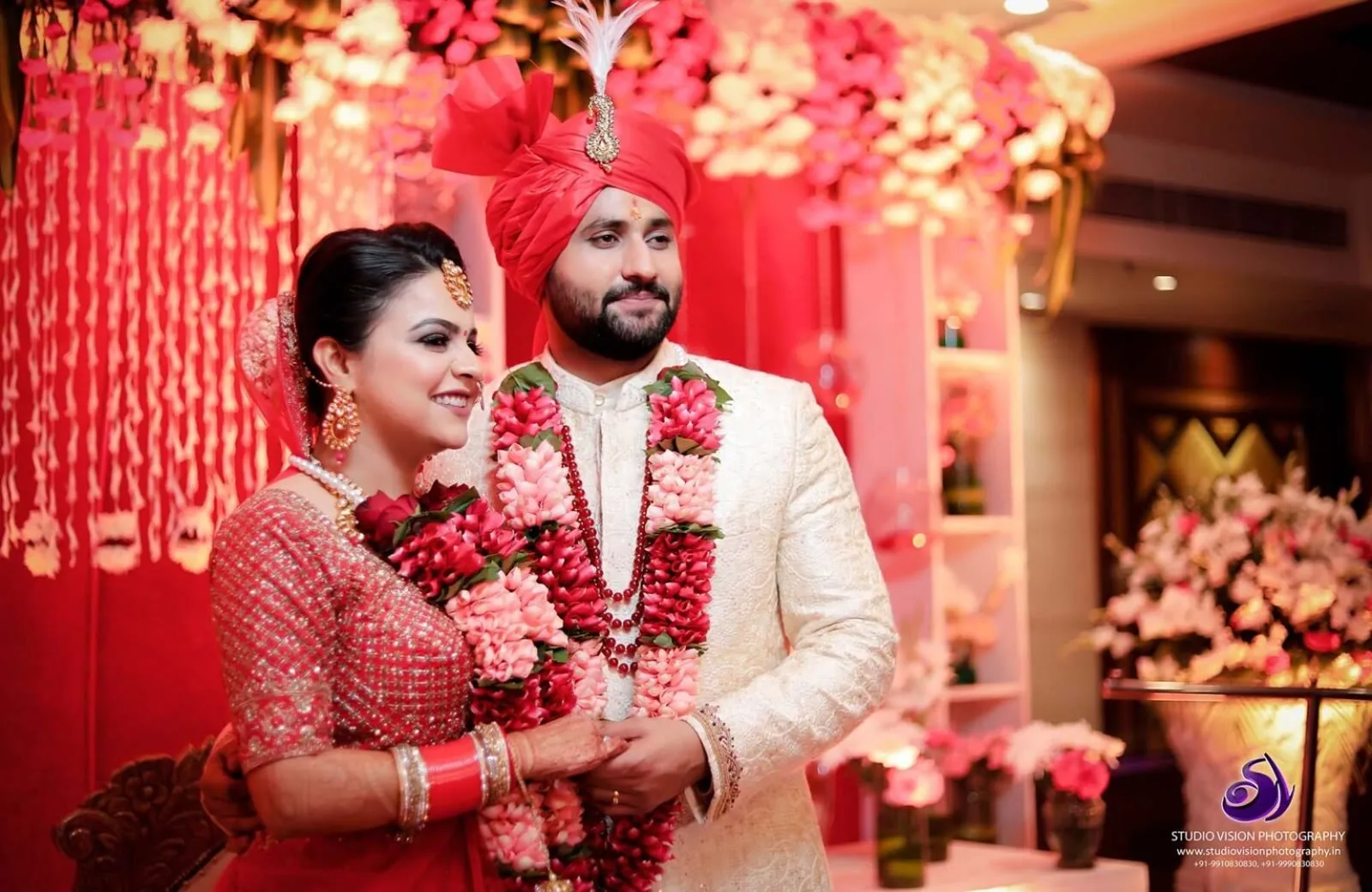
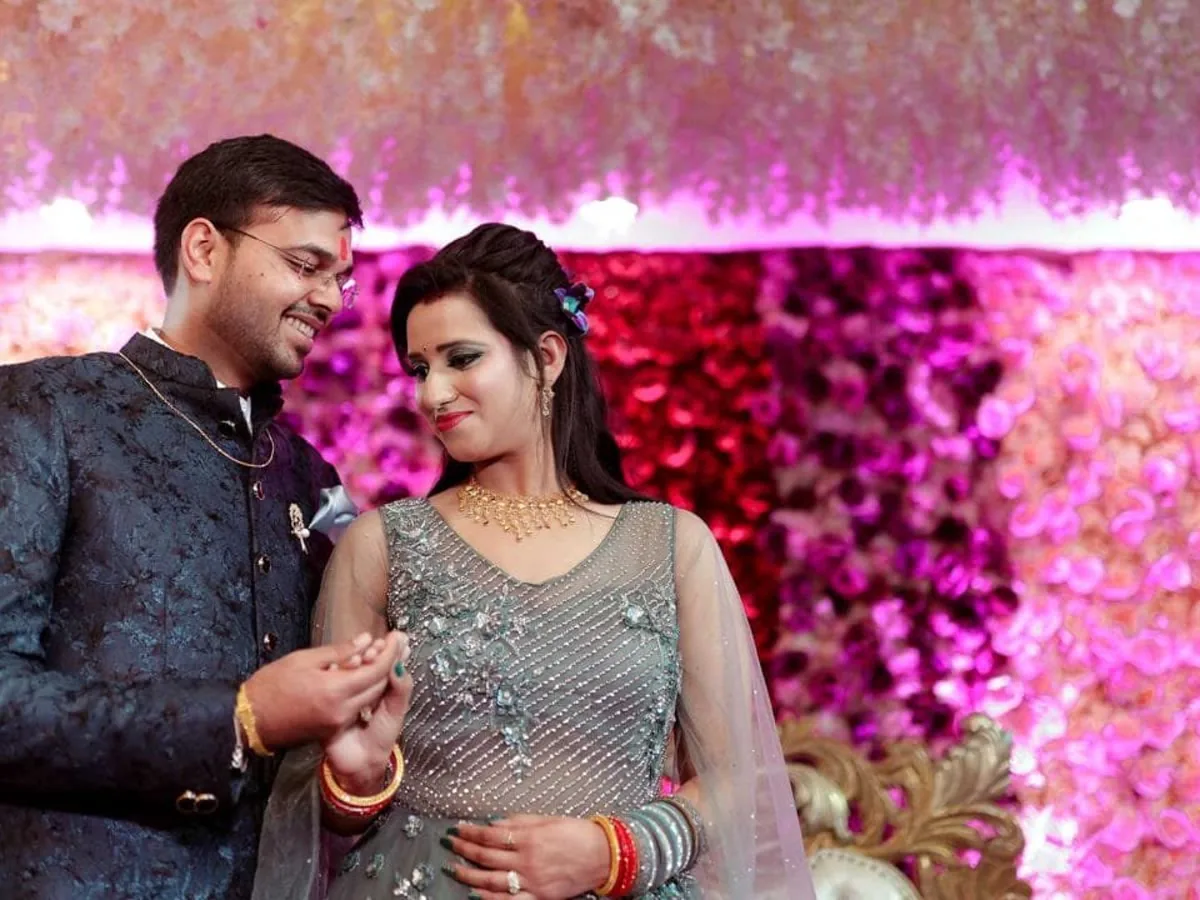
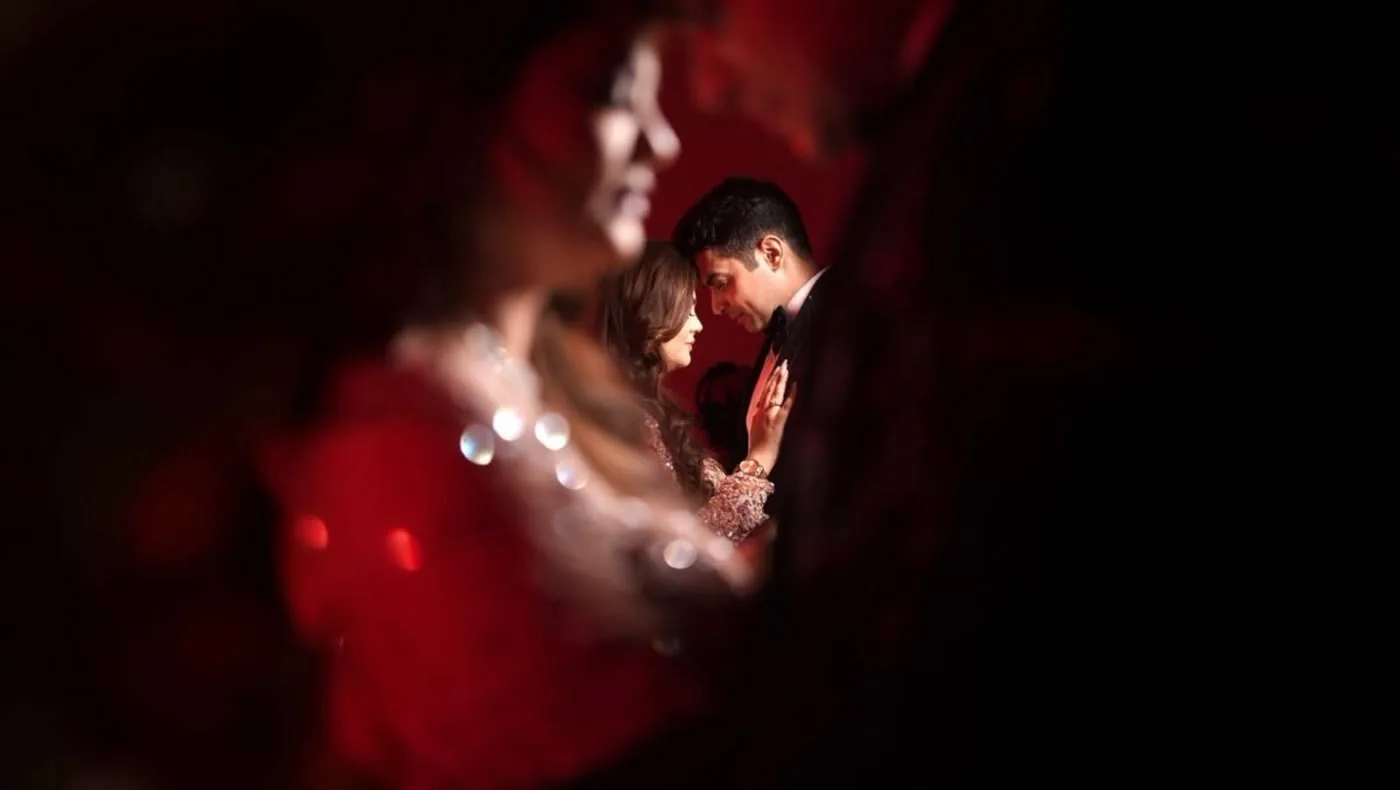
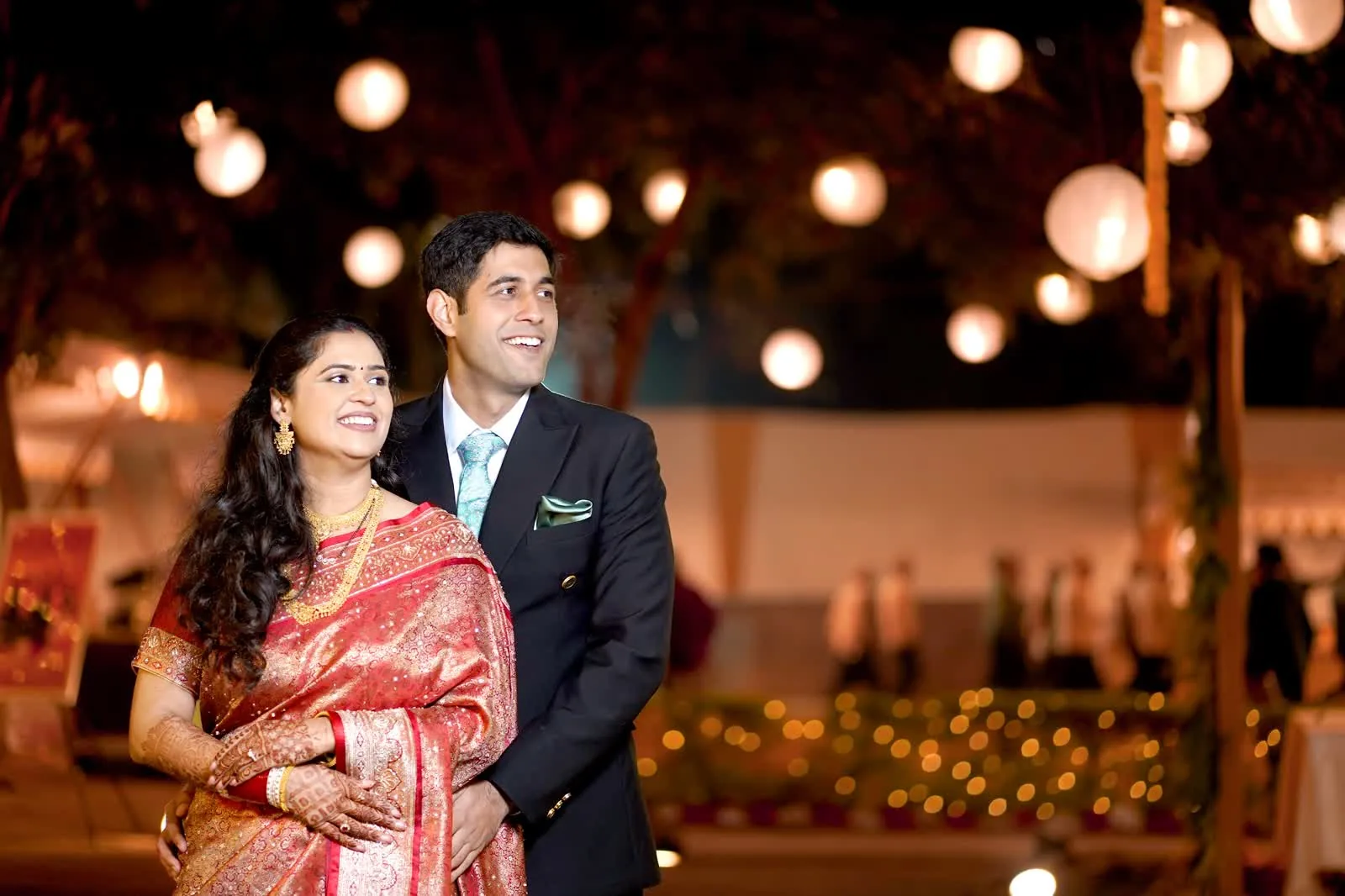
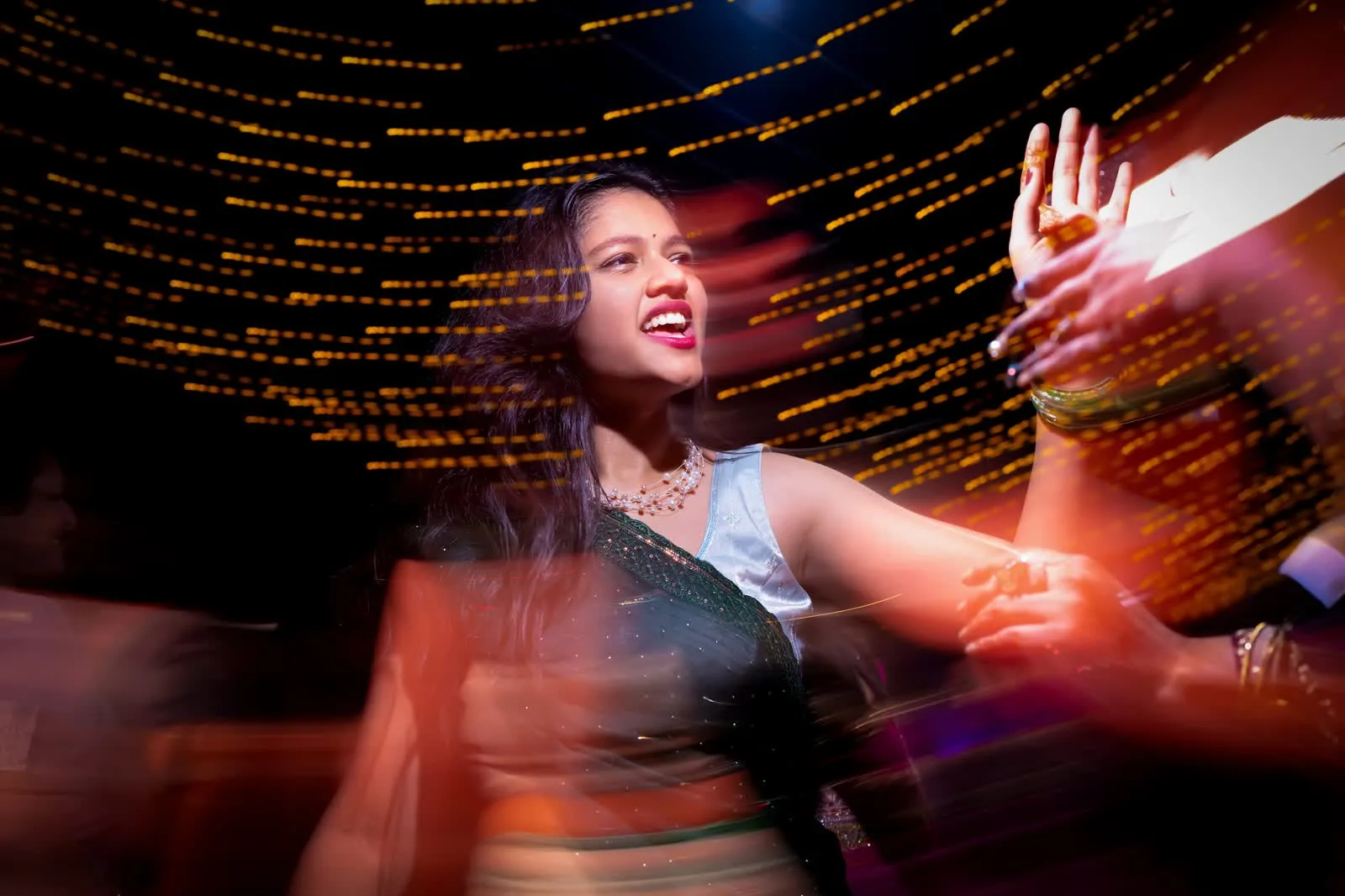
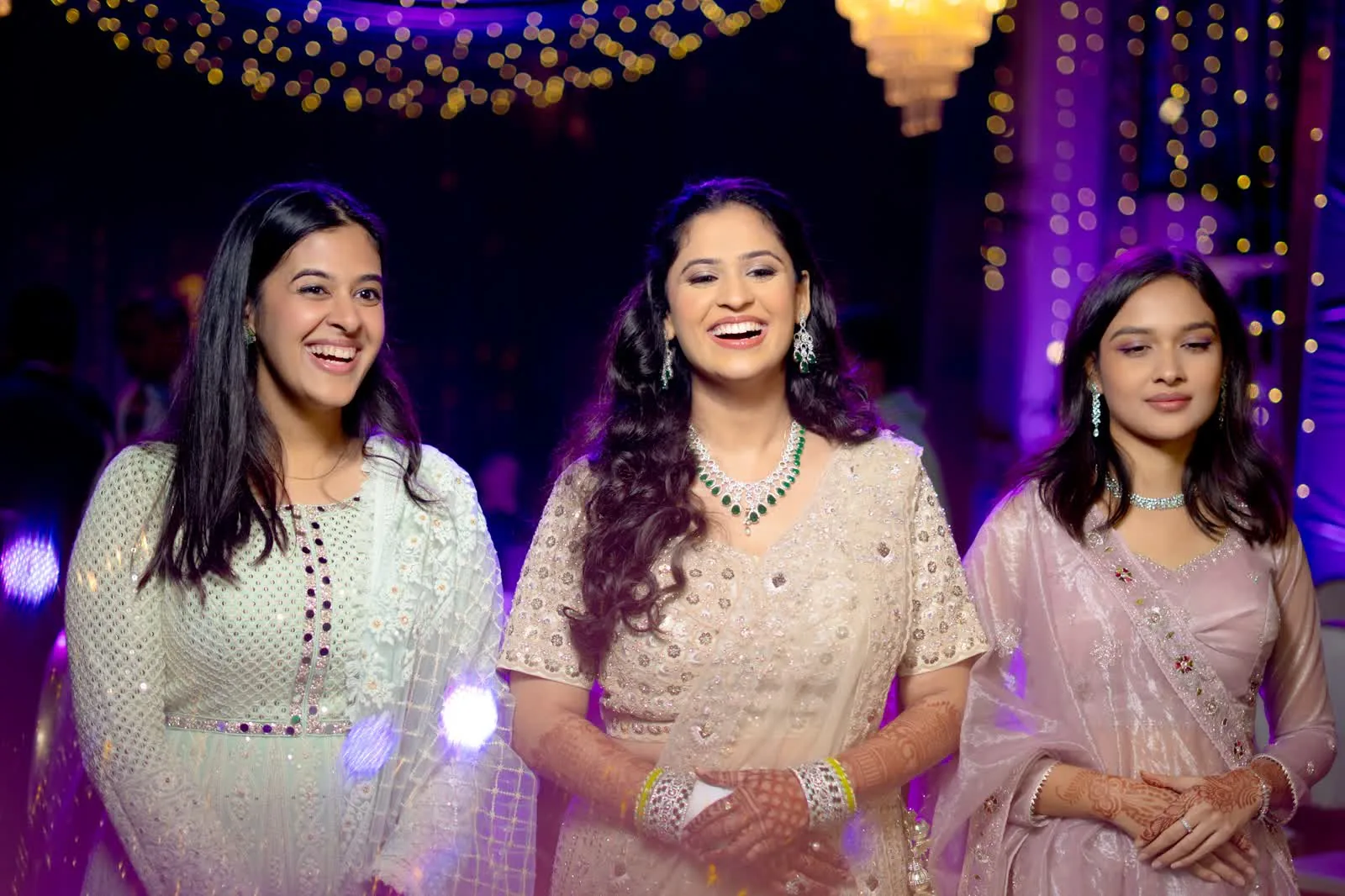
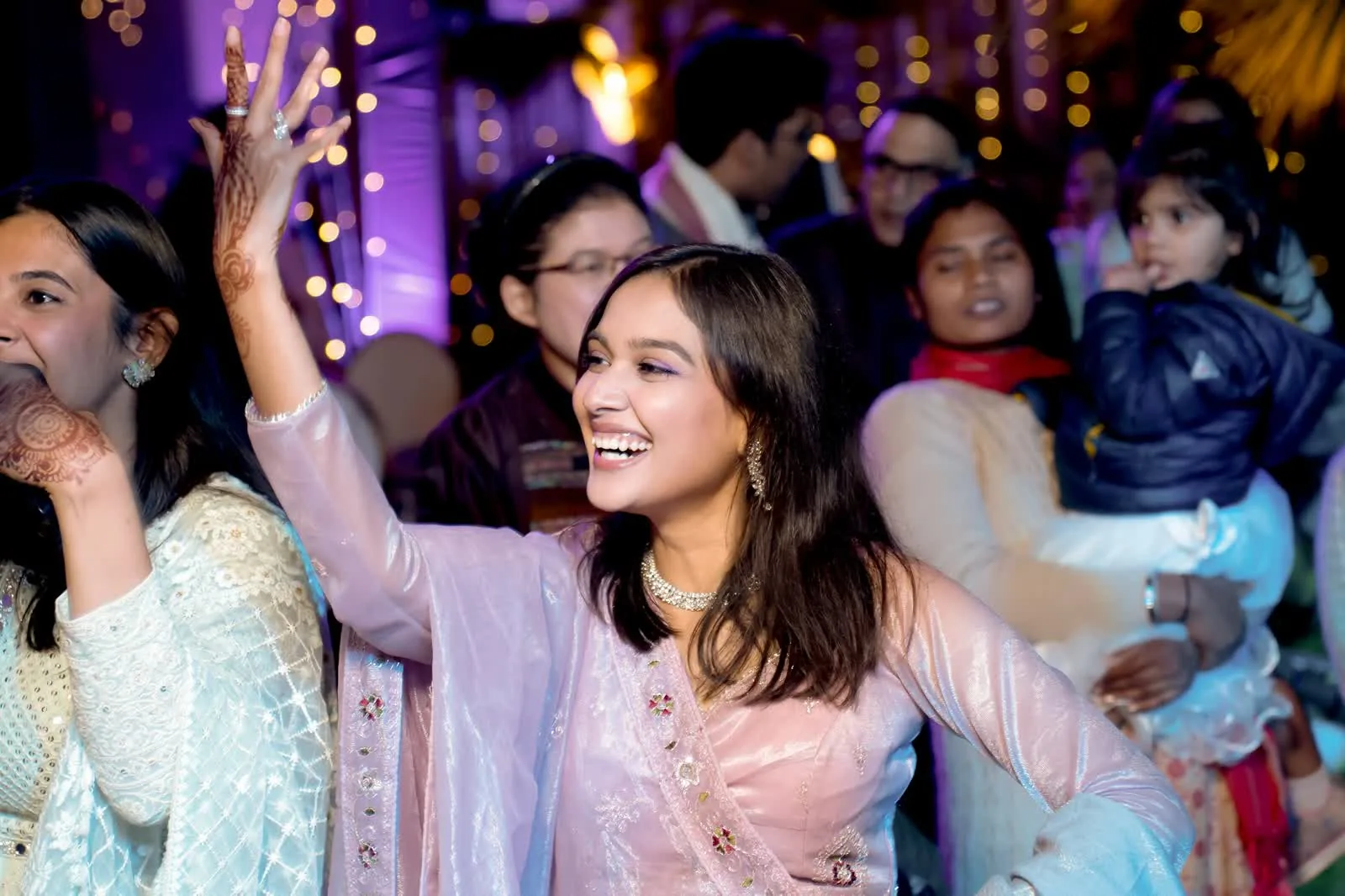
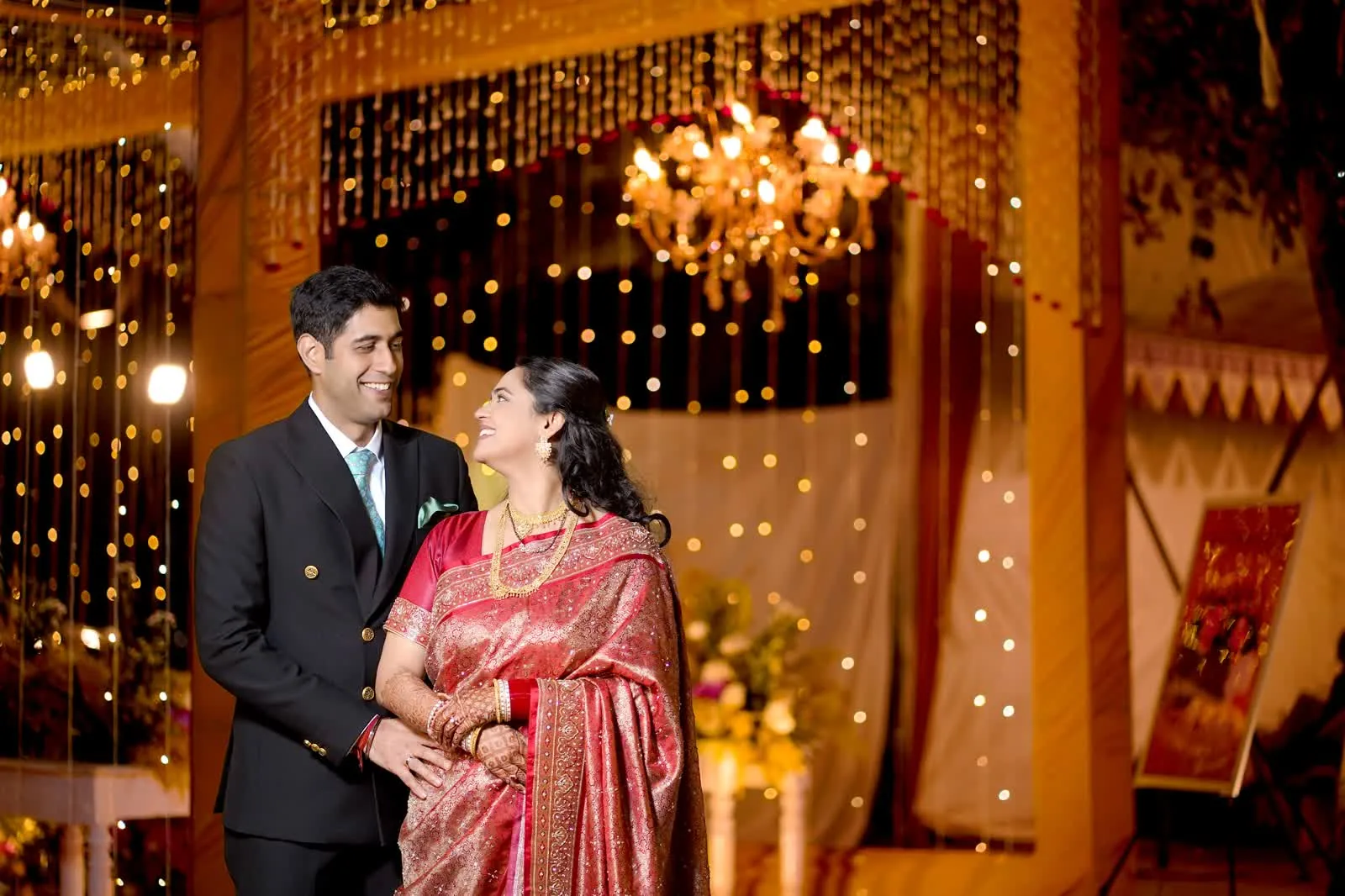
Longer lenses and distance mean people forget we are there. A guest who has noticed the camera is already performing.
Twenty years in Delhi venues means we are in position before a moment happens rather than turning around after it.
While one team covers rituals traditionally, the candid team follows the emotion in the room. Nothing gets missed.
Every frame is chosen and graded in our Rohini studio. Candid work lives or dies in the edit, so it is never batch-run.
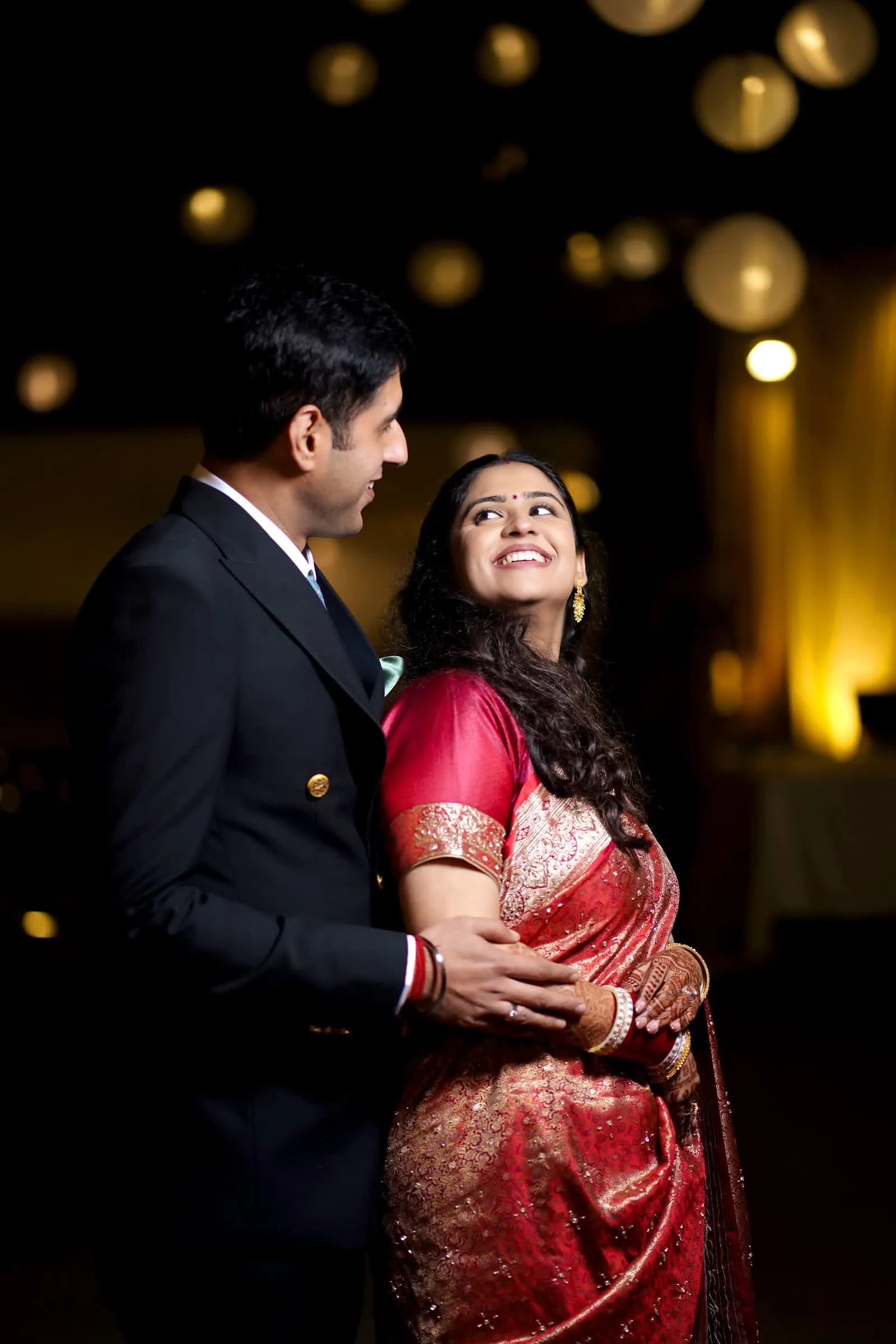
This is the question we are asked most, and the honest answer is that you want both. Traditional coverage is the posed, everyone-looking-at-camera record of each ritual and every family member. It is what your parents will ask for first, and it matters.
Candid coverage is what you will look at in ten years: your mother's face during the vidaai, your friends collapsing with laughter at the reception, the two of you in the one quiet second nobody else saw.
Both teams shoot the same wedding on the same day, and both are included. See what that costs.
A candid photographer who waits to be told where to stand has already missed the frame. Most of the work is anticipation, and most of it happens before anything visible occurs.
During the baraat one of us walks backwards ahead of the horse for the entire approach, because the good frame is your face, not the procession. At the varmala we split: one shooter tight on the two of you, one wide on the families, because the reaction is often better than the act. During the pheras we stay low and outside the ritual square so the pandit and your grandparents are never asked to move. At the vidaai nobody directs anything at all.
Through the reception the team works the room in a loop rather than standing at the stage, which is how you end up with photographs of the cousins who never once queued for a posed picture.
Tell us your dates and we will check availability, then send a written quote with candid and traditional coverage both included.